
In today’s fast-paced world, it’s easy to overlook our health until a problem arises. However, preventive care is the foundation of a healthy life, and regular health check-ups play a crucial role in identifying potential health concerns before they become serious.
A regular health check-up is not just about visiting a doctor when you’re unwell—it’s a proactive approach to maintaining your well-being. These periodic assessments help monitor vital health indicators, detect diseases at an early stage, and provide guidance on maintaining a healthy lifestyle tailored to your needs.
1. Early Detection Saves Lives
Many health conditions, such as diabetes, hypertension, heart disease, and certain cancers, develop silently without showing early symptoms. Through regular screenings, doctors can detect these issues early—when they are most treatable and manageable. Early intervention not only increases the chances of a full recovery but also reduces the risk of complications.
2. Tracking Your Health Over Time
Regular check-ups help create a comprehensive record of your health history. This allows healthcare providers to track changes in your body over time, spot trends, and take preventive action if something unusual is detected. Consistent monitoring ensures you stay on the right track with your wellness goals.
3. Preventive Care is Cost-Effective
Treating advanced illnesses often requires expensive medications, hospital stays, and complex procedures. Preventive check-ups, on the other hand, can help you avoid these costs by identifying potential problems early and managing them with simpler, more affordable treatments.
4. Personalized Health Advice
During your check-up, your doctor can give personalized advice based on your age, lifestyle, family history, and current health status. This may include dietary recommendations, exercise plans, mental health support, and guidance for managing stress—helping you live a longer, healthier life.
5. Peace of Mind and Reduced Anxiety
Knowing that you’re taking active steps toward your health can significantly reduce anxiety. Regular reassurance from your doctor can help you feel confident about your well-being and focus on living life to the fullest.
6. Building a Long-Term Relationship with Your Doctor
Regular visits help build trust and understanding between you and your healthcare provider. This relationship is invaluable, as your doctor becomes more familiar with your medical history, preferences, and needs—ensuring more accurate and efficient care.
Early Detection: The First Step Toward Prevention
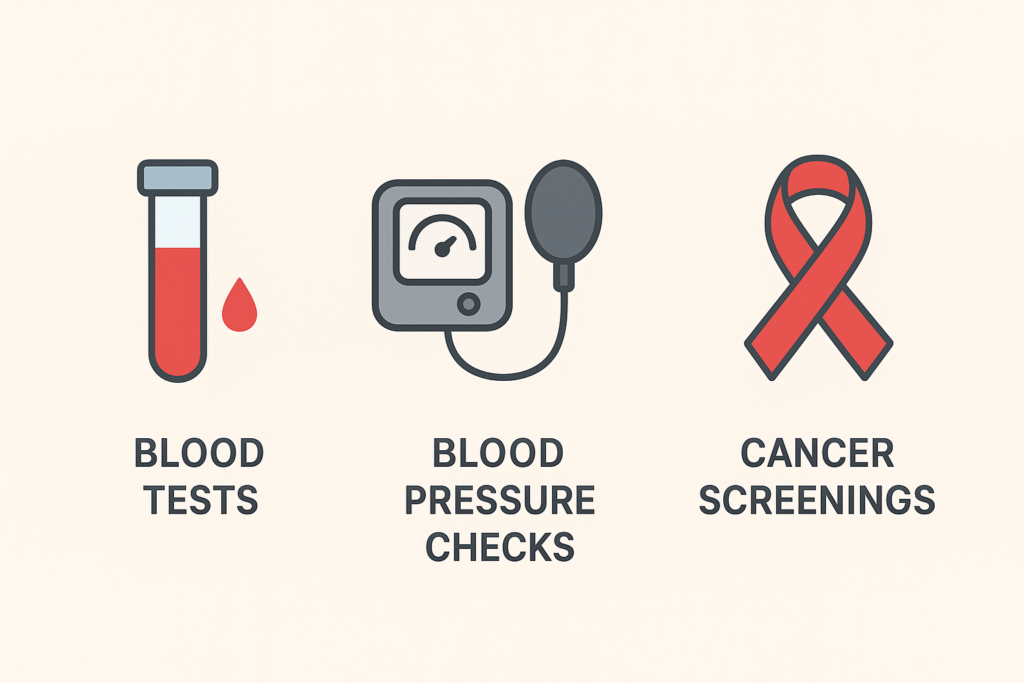
Many diseases—like diabetes, heart disease, high blood pressure, thyroid disorders, and even cancer—can remain “silent” for years without causing noticeable symptoms. By the time signs appear, the condition may already be advanced.
Regular screenings help detect these hidden issues at an early stage, giving you the opportunity for timely treatment. For example:
- Blood tests can identify cholesterol imbalances before they cause heart problems.
- Blood pressure checks can catch hypertension before it damages your organs.
- Cancer screenings can detect abnormal cells before they spread.
Early detection doesn’t just save lives—it improves the quality of life and makes treatment more effective.
Monitoring Your Health Progress
Your body is constantly changing—sometimes in ways you may not notice. Regular check-ups help you keep a continuous record of your health. Over time, doctors can compare your results to previous visits to detect even small changes.
For instance:
- A gradual rise in blood sugar levels over a few years could signal the need for lifestyle changes before diabetes develops.
- Minor changes in heart function could prompt a cardiology evaluation before a major cardiac event.
This kind of ongoing monitoring is invaluable in preventing chronic conditions from progressing unnoticed.
Cost-Effective Care in the Long Run
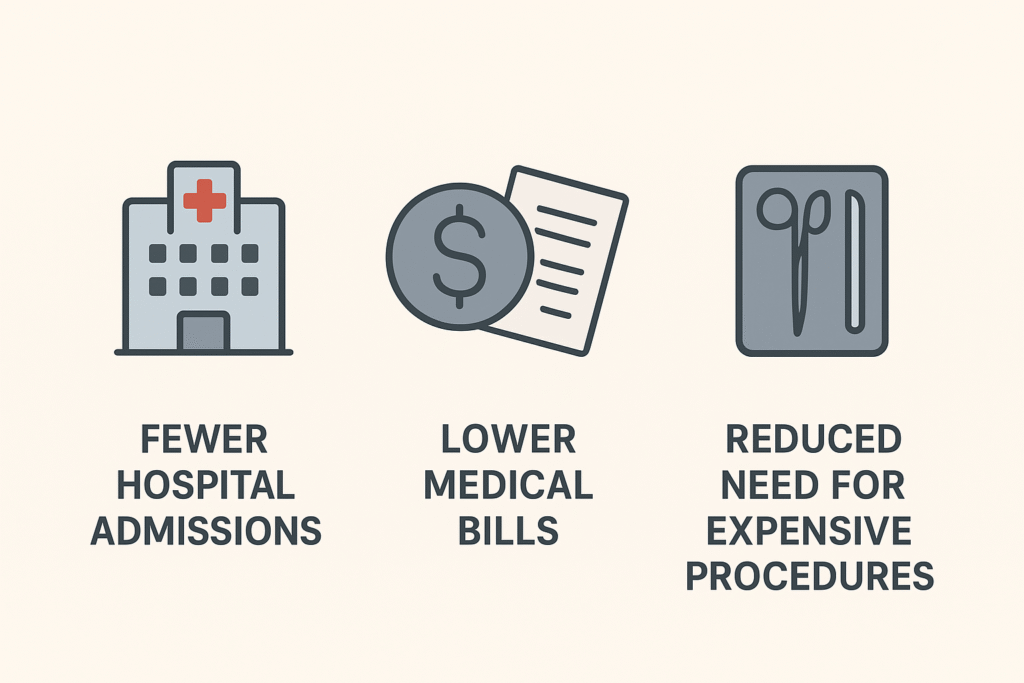
It’s natural to think of check-ups as an expense, but they are actually a wise investment. Treating advanced-stage diseases is far more costly than preventing them in the first place. Consider the difference between managing high blood pressure with a daily pill versus recovering from a stroke that could have been avoided.
Preventive health care means:
- Fewer hospital admissions
- Lower medical bills
- Reduced need for expensive procedures
In short, spending a little now can save you a great deal later.
Tailored Health Plans for Your Lifestyle
No two people are the same, and neither are their health needs. During a check-up, your healthcare provider considers your age, gender, medical history, lifestyle, and risk factors to create a personalized wellness plan.
This can include:
- Nutritional advice to maintain a healthy weight and prevent nutrient deficiencies.
- Exercise recommendations suited to your fitness level and goals.
- Guidance on managing stress, improving sleep, and boosting mental well-being.
- Specific screenings for hereditary conditions common in your family.
This personalized approach helps you take control of your health journey instead of reacting to problems later.
Peace of Mind and Reduced Stress
Uncertainty about your health can cause unnecessary worry. Regular check-ups offer reassurance and mental relief. Knowing that you’ve been assessed by a professional allows you to live life more confidently without the constant fear of undetected illness.
Building a Trustworthy Doctor–Patient Relationship
Healthcare is most effective when there is trust between you and your doctor. Seeing the same healthcare provider regularly allows them to understand your medical history, habits, and concerns. This familiarity leads to better advice, more accurate diagnoses, and faster, more effective treatment when needed.
Setting a Positive Example for Your Family
When you make health check-ups a habit, you set an example for your children, partner, and loved ones. This encourages your family to adopt a preventive approach to health, creating a culture of wellness that benefits everyone.
Conclusion: Prevention is Better Than Cure
Regular health check-ups are a powerful tool in protecting and enhancing your health. They help detect problems early, save on medical costs, offer peace of mind, and allow you to enjoy life without the constant worry of illness. Remember, good health is not just the absence of disease—it’s a state of complete physical, mental, and emotional well-being.
By taking small steps today, like booking your next health check-up, you are investing in a longer, happier, and healthier future. Don’t wait for symptoms to appear—stay ahead, stay healthy, and make preventive care a lifelong habit.