The world of medicine is evolving faster than ever before. With the help of cutting-edge technologies, groundbreaking research, and innovative treatment methods, healthcare is entering a new era—one that promises better prevention, more precise treatments, and improved patient outcomes.
From artificial intelligence to genetic engineering, the medical field is undergoing a transformation that could change the way we think about health forever. In this article, we’ll explore the most exciting breakthroughs shaping the future of medicine.
1.Artificial Intelligence (AI) in Healthcare
Artificial Intelligence is revolutionizing diagnosis, treatment planning, and even drug development. AI-powered systems can analyze medical images, detect diseases early, and assist doctors in making faster, more accurate decisions.
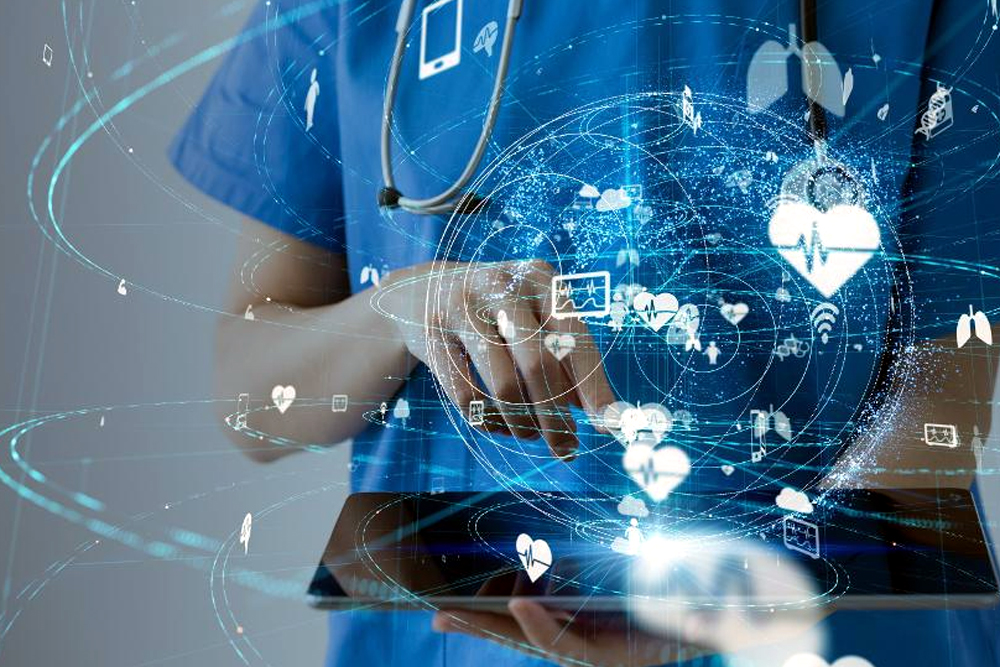
Examples of AI applications in healthcare:
- AI algorithms detecting early signs of cancer in X-rays and MRIs.
- Predictive analytics for identifying patients at risk of chronic diseases.
- Virtual health assistants providing 24/7 patient support.
Impact: Faster diagnosis, reduced medical errors, and more personalized care.
2.Telemedicine and Remote Care
The COVID-19 pandemic accelerated the adoption of telemedicine, allowing patients to consult doctors from the comfort of their homes. With high-quality video calls and secure digital platforms, healthcare has become more accessible than ever.
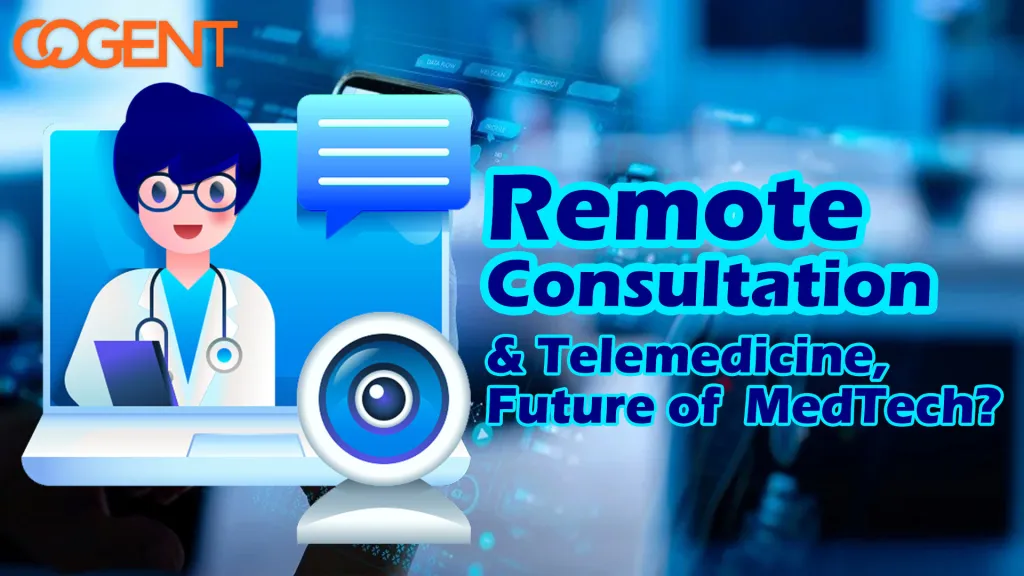
Benefits of telemedicine:
- Convenience for patients in remote areas.
- Reduced hospital crowding.
- Ongoing monitoring for chronic illnesses.
Future potential: Integration of wearable devices for real-time health monitoring.
3.Precision Medicine
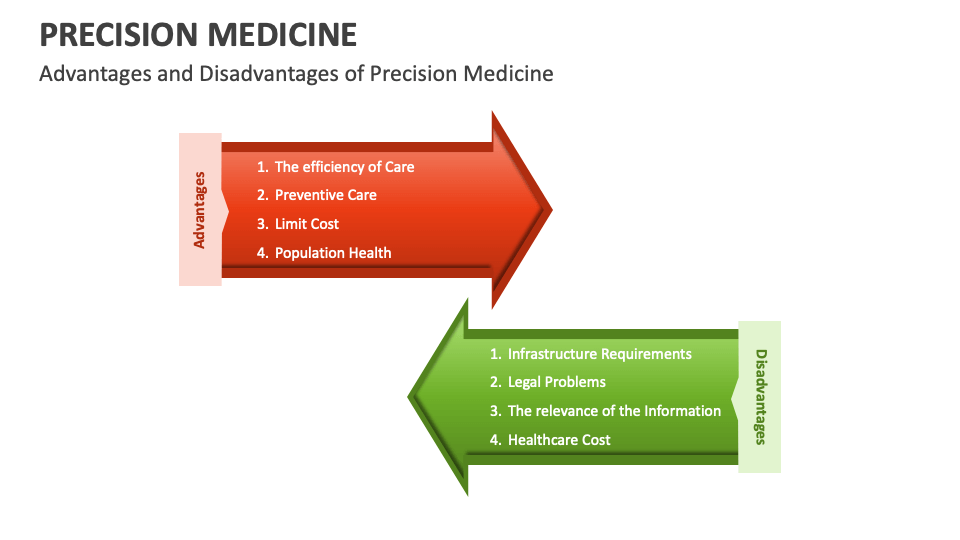
Instead of a “one-size-fits-all” approach, precision medicine uses a patient’s genetic profile, lifestyle, and environment to tailor treatments. This approach ensures therapies are more effective and have fewer side effects.
Real-world example: Certain cancer treatments now target specific genetic mutations, improving survival rates.
Impact: More targeted treatments and better patient outcomes.
4. 3D Printing in Healthcare
3D printing is making it possible to create customized prosthetics, implants, and even human tissues. This technology is transforming surgery and rehabilitation.
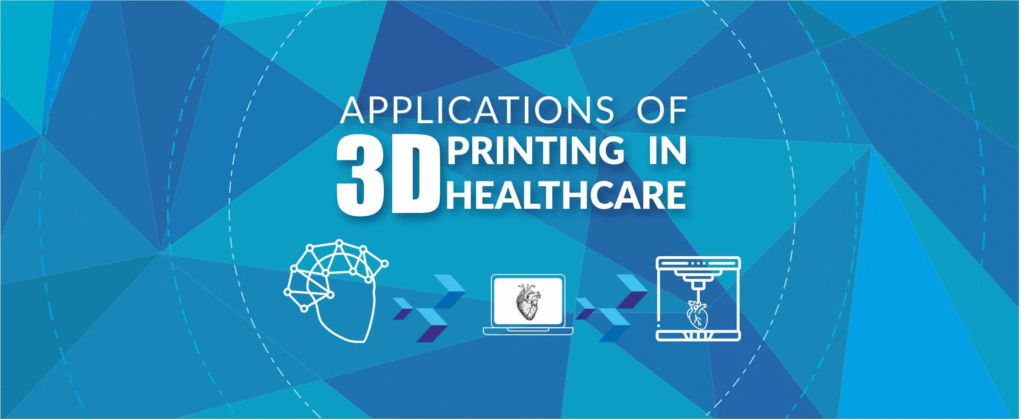
Applications include:
- Patient-specific surgical tools.
- 3D-printed organs for transplantation (still in research phase).
- Affordable prosthetic limbs for patients worldwide.
Impact: Lower costs, faster production, and more personalized medical solutions.
5. Regenerative Medicine and Stem Cell Therapy
Regenerative medicine focuses on repairing or replacing damaged tissues and organs. Stem cell therapy, in particular, has shown promise in treating conditions like Parkinson’s disease, spinal cord injuries, and heart damage.
Impact: Potential to cure previously untreatable diseases.
6. Wearable Health Technology
Smartwatches and fitness trackers are no longer just for counting steps—they can now monitor heart rhythms, detect sleep disorders, and track blood oxygen levels.
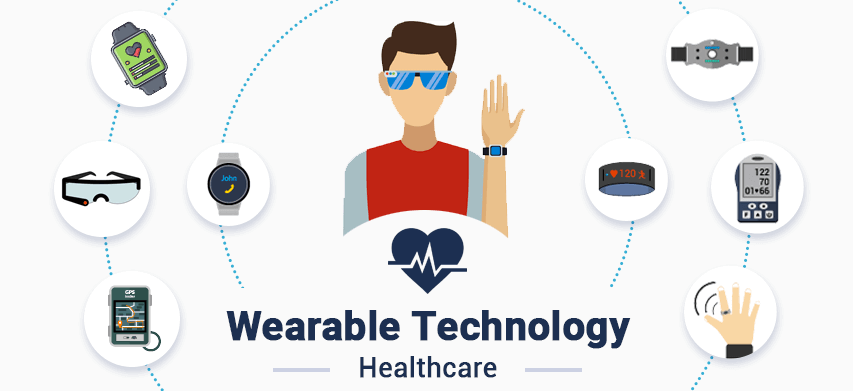
Examples:
- Continuous glucose monitors for diabetics.
- Smart ECG watches detecting irregular heartbeats.
- Sleep trackers analyzing rest quality.
Impact: Early detection of health issues and better lifestyle management.
7. CRISPR and Gene Editing
CRISPR technology allows scientists to precisely edit DNA, potentially curing genetic disorders like sickle cell anemia or muscular dystrophy. While ethical considerations remain, its potential is enormous.
Impact: Long-term disease prevention at the genetic level.
8. Nanomedicine
Nanotechnology enables the delivery of drugs directly to diseased cells, increasing treatment effectiveness and reducing side effects.
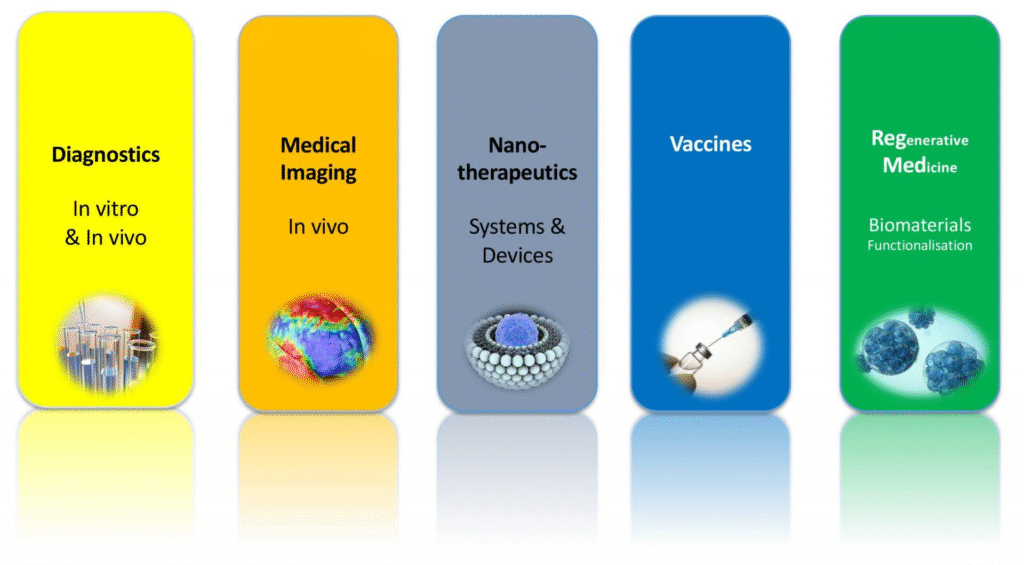
Applications include:
- Targeted cancer therapy.
- Nano-sensors for detecting diseases early.
- Smart drug delivery systems.
Impact: Highly efficient treatments with minimal harm to healthy cells.
How Technology is Transforming Patient Care
Healthcare has always been about saving lives and improving well-being, but today, technology is giving it a new face. From artificial intelligence and wearable devices to mobile apps and robotic surgeries, modern innovations are changing the way patients are diagnosed, treated, and cared for.
These advancements are not just making healthcare more efficient—they’re making it more personalized, accessible, and effective. Let’s explore the top ways technology is transforming patient care.
1. Telehealth and Virtual Consultations
The rise of telehealth allows patients to consult with doctors from anywhere via secure video calls. This is especially beneficial for rural areas, elderly patients, and those with mobility issues.
Benefits:
- No need for long travel or waiting rooms.
- 24/7 access to healthcare advice.
- Easier follow-ups after treatments.
Impact: Improved accessibility and convenience for patients worldwide.
2. Electronic Health Records (EHRs)
Gone are the days of bulky paper files. Today, Electronic Health Records store all patient data in a secure, easily accessible digital format. This allows different healthcare providers to access the same information, ensuring better coordination.
Benefits:
- Reduced paperwork and errors.
- Faster treatment decisions.
- Seamless care across multiple doctors.
Impact: More efficient and coordinated healthcare delivery.
3. . Robotics and Minimally Invasive Surgeries
Robotic-assisted surgeries are making procedures more precise and less invasive. These technologies help surgeons perform delicate operations with minimal cuts, which reduces recovery time and hospital stays.
Examples:
- Robotic arms used in heart surgeries.
- AI-guided orthopedic operations.
Impact: Quicker recovery and less risk of complications.
4. AI-Powered Personalized Medicine
Every patient is unique, and AI helps create personalized treatment plans based on genetics, medical history, and lifestyle. This ensures better results and fewer side effects.
Examples:
- Tailored cancer treatments based on tumor DNA.
- Customized diet and exercise recommendations for chronic illnesses.
Benefits of AI-Powered Personalized Medicine
Personalized medicine powered by AI offers several game-changing benefits:
Better treatment outcomes – By selecting the right treatment for the right patient.
Fewer side effects – Avoids trial-and-error drug prescriptions.
Early disease detection – Predicts health issues before symptoms appear.
Cost efficiency – Reduces wasted treatments and hospital readmissions.
Impact: Higher treatment success rates.
5. Understanding Preventive Healthcare
Preventive healthcare is all about detecting and preventing diseases early. Instead of waiting until you’re sick, it focuses on regular check-ups, healthy living, and risk management.
Types of preventive healthcare include:
- Primary prevention: Avoiding diseases altogether (e.g., vaccines, healthy diet).
- Secondary prevention: Detecting diseases early (e.g., screenings, blood tests).
- Tertiary prevention: Managing chronic illnesses to prevent complications.
Impact: Reduces the risk of severe illness and increases life expectancy.
Conclusion
Technology is not replacing doctors—it’s empowering them to provide better care. Patients now benefit from faster diagnoses, convenient consultations, personalized treatment, and continuous monitoring.
The future of patient care is smart, connected, and proactive. As technology continues to evolve, healthcare will not just treat illnesses but prevent them, leading to longer, healthier lives.
Preventive healthcare is not a one-time effort—it’s a lifelong commitment. By focusing on regular check-ups, healthy living, and mental wellbeing, you can reduce your risk of illness and enjoy a healthier, longer life.
Remember, prevention is an investment in your future health. Start today—your future self will thank you.