The Doctor Within: How Self-Education Improves Health Outcomes
When it comes to health, most of us immediately think of doctors, hospitals, and medicines. While professional medical care is essential, there is another powerful doctor we often overlook—the one that lives inside us. This “doctor within” is our ability to understand our body, listen to its signals, and make informed decisions through self-education.
Self-education in health does not mean replacing doctors or self-medicating. Instead, it means gaining the right knowledge, building awareness, and making smarter choices. When people learn about their bodies, common illnesses, and healthy habits, they become empowered to prevent disease, seek timely help, and recover faster.
Let’s explore how self-education can transform health outcomes and why each of us should awaken the doctor within.
1.Awareness Leads to Prevention
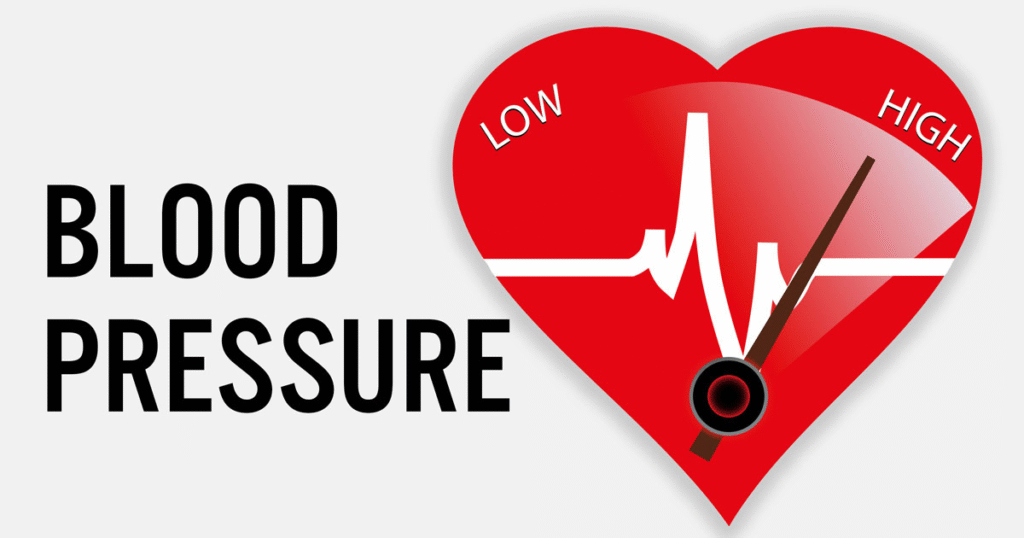
Most diseases don’t appear suddenly—they develop slowly over time. High blood pressure, diabetes, obesity, and heart disease often begin with small, unnoticed changes in lifestyle.
- By learning about risk factors, people can take steps to prevent illness.
- Understanding the role of diet, exercise, and stress in health allows individuals to act before problems arise.
- Educating yourself on symptoms—like frequent thirst in diabetes or chest pain in heart disease—helps in early detection.
Self-education empowers prevention. When you know what to avoid and what to adopt, you reduce your risk of chronic illness.
2.Recognizing Early Warning Signs
Our bodies constantly communicate with us. Fatigue, headaches, unexplained weight changes, or shortness of breath are not random—they are signals.
- A person educated about health knows when a simple headache is due to dehydration and when it may be linked to high blood pressure.
- Recognizing early warning signs prevents delays in seeking medical help.
- Knowledge about symptoms of conditions like stroke (“FAST” – Face drooping, Arm weakness, Speech difficulty, Time to act) can save lives.
The doctor within listens. When you understand your body’s language, you respond quickly and improve outcomes.
3.Smarter Lifestyle Choices
Self-education creates better decision-making in daily life.
- People who know about nutrition are less likely to fall for fad diets or harmful supplements.
- Awareness of how smoking and alcohol affect the body motivates stronger choices.
- Understanding sleep science helps people value rest as much as exercise.
- Knowledge about hygiene and sanitation reduces infections.
Knowledge turns choices into medicine. Each informed decision adds up to better long-term health.
4.Reducing Fear and Myths
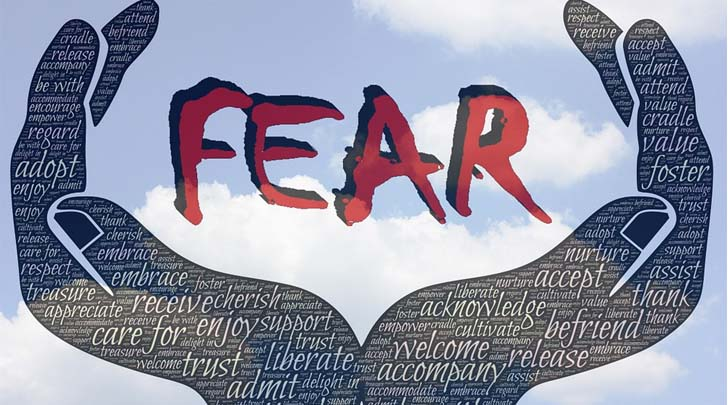
One of the barriers in healthcare is fear—fear of symptoms, of doctors, of medical terms. Self-education removes that fear.
- Learning about common medical terms makes diagnoses easier to understand.
- Education helps separate medical facts from myths—like “antibiotics cure all illnesses” (false) or “fever always means infection” (not always true).
- People stop panicking over harmless conditions and start taking the right steps for real concerns.
The doctor within is rational. Education replaces fear with confidence and clarity.https://www.youtube.com/watch?v=pkzunP1s6cY
5.Strengthening Doctor–Patient Relationships
Doctors provide the best care when patients understand and participate in the process.
- Educated patients ask better questions and follow instructions more accurately.
- They are less likely to misuse medicines or skip follow-up appointments.
- Shared decision-making improves trust and satisfaction with treatment.
Self-education does not replace doctors—it complements them. A knowledgeable patient works in partnership with their doctor.
6.Managing Chronic Illnesses Better
Chronic conditions like diabetes, asthma, and hypertension require daily care. Self-education makes this easier.
- Patients who learn how to monitor blood sugar or blood pressure manage their illness more effectively.
- Understanding medication schedules prevents complications.
- Knowing which lifestyle changes support treatment (like diet for diabetes or exercise for heart health) improves quality of life.
The doctor within takes responsibility. Awareness turns passive patients into active managers of their health.
7.Using Technology Wisely
Today’s world offers endless health information, but not all of it is accurate. Self-education teaches people how to use technology responsibly.
- Knowing how to identify credible sources prevents misinformation.
- Wearable devices and health apps become more useful when people understand how to interpret the data.
- Telemedicine and online consultations are more effective when patients are informed about their conditions.
The doctor within uses knowledge as a filter. Education helps separate useful tools from harmful advice.
8.Building Confidence and Independence
Health challenges often create dependency, but education builds confidence.
- A person who knows how to handle minor injuries, colds, or stress doesn’t feel helpless.
- Parents educated in child health feel more secure about their children’s care.
- Elderly individuals with self-education can maintain independence longer.
Confidence is healing. The doctor within gives strength in moments of uncertainty.
9.Community Benefits of Self-Education
Self-education doesn’t stop with one person—it spreads to families and communities.
- Educated parents raise healthier children with good habits.
- Awareness about hygiene and vaccinations reduces outbreaks of diseases.
- Shared knowledge creates healthier workplaces, schools, and societies.
The doctor within multiplies. When one person learns, many lives improve.
10.Lifelong Learning for Lifelong Health
Medical knowledge is constantly evolving. Self-education is not about knowing everything—it is about staying curious and open to learning.
- Reading trusted health blogs, attending workshops, or joining awareness campaigns keeps people updated.
- Asking questions during doctor visits expands personal knowledge.
- Being aware of new medical guidelines helps adapt healthier practices.
The doctor within grows. Each new lesson improves your ability to care for yourself.
Practical Self-Education Tips (Takeaway Box)
1. Read at least one trusted health article every week.
2. Learn basic first aid and CPR—it may save a life.
3. Keep a personal health diary of symptoms, habits, and improvements.
4. Use credible apps to track sleep, steps, or blood pressure.
5. Ask your doctor to explain, don’t just accept prescriptions silently.
6. Share what you learn with friends and family.
CONCLUSION
The greatest doctor is not only found in hospitals—it is found within each of us. Through self-education, we gain the power to prevent disease, recognize symptoms early, make smarter lifestyle choices, manage conditions better, and support our doctors in delivering effective care.
“The Doctor Within” does not mean ignoring professional help. Instead, it means strengthening it by becoming informed, responsible, and proactive. Every bit of medical knowledge you gain today is an investment in your future health.
Start today. Read one trusted health article, learn one new medical fact, or ask your doctor one more question at your next visit. With every step of self-education, you awaken the doctor within—and with that, you open the door to better health outcomes, for yourself and those around you.
Because in the end, knowledge is the best medicine, and self-education is the prescription.