
From Kitchen to Clinic: Everyday Foods with Healing Powers
Medicine is not always found in bottles, prescriptions, or hospital rooms. Often, the most powerful remedies lie in our own kitchens. Everyday foods, when chosen wisely, provide nutrients, antioxidants, and compounds that support healing, prevent disease, and promote overall health. Understanding the science behind these foods transforms meals from simple sustenance into tools for wellness—bridging the gap between kitchen and clinic.
This article explores common foods with proven health benefits, their medical significance, and practical ways to incorporate them into your daily routine for better health outcomes.
1. Garlic: Nature’s Antibiotic
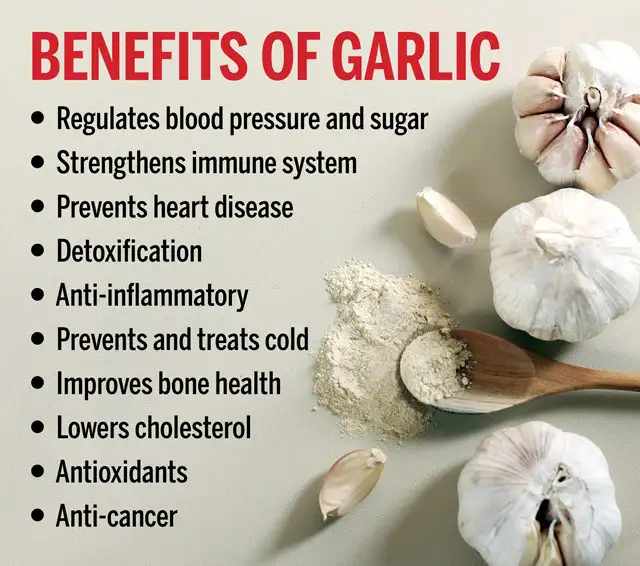
Garlic has been valued for centuries for its medicinal properties. Modern research confirms its role in heart health and immunity.
- Contains allicin, a compound with antibacterial, antiviral, and antifungal properties.
- Helps reduce blood pressure and cholesterol, supporting cardiovascular health.
- Strengthens immunity and may reduce the severity of colds and infections.
How to use: Crush or chop raw garlic before cooking to preserve its medicinal compounds. Add to salads, soups, or roasted vegetables.
Medical insight: Garlic is a simple, daily ingredient that acts as a natural preventive medicine.
2. Turmeric: The Golden Healer
Turmeric is more than a spice; it is a powerful anti-inflammatory and antioxidant agent.
- Contains curcumin, which reduces inflammation, fights free radicals, and supports joint and heart health.
- Helps in managing chronic conditions such as arthritis and metabolic syndrome.
- Supports liver function and overall detoxification.
How to use: Mix turmeric in milk for a soothing drink, add to curries, or blend into smoothies. Pair with black pepper to enhance absorption.
Medical insight: Turmeric bridges culinary tradition and modern medicine, showing how diet can reduce inflammation naturally.
3. Ginger: Nature’s Digestive Aid

Ginger is a kitchen staple with proven effects on digestion, nausea, and inflammation.
- Contains gingerol, which supports gastrointestinal health.
- Reduces nausea, motion sickness, and morning sickness in pregnancy.
- Has anti-inflammatory effects that benefit joint and heart health.
How to use: Add fresh ginger to teas, soups, or stir-fries. You can also grate it into smoothies or hot water for a soothing drink.
Medical insight: Ginger is an easy, safe, and effective digestive medicine found in your pantry.
4. Berries: Antioxidant Powerhouses
Blueberries, strawberries, and raspberries are small but mighty.
- Rich in antioxidants like flavonoids, which neutralize harmful free radicals.
- Improve brain health and memory and reduce the risk of cardiovascular diseases.
- Support immune function and may reduce inflammation in the body.
How to use: Add berries to breakfast cereals, smoothies, salads, or enjoy them as snacks.
Medical insight: Berries are nature’s concentrated medicine for the heart and brain.
5. Leafy Greens: Vitamins and Minerals in Every Bite
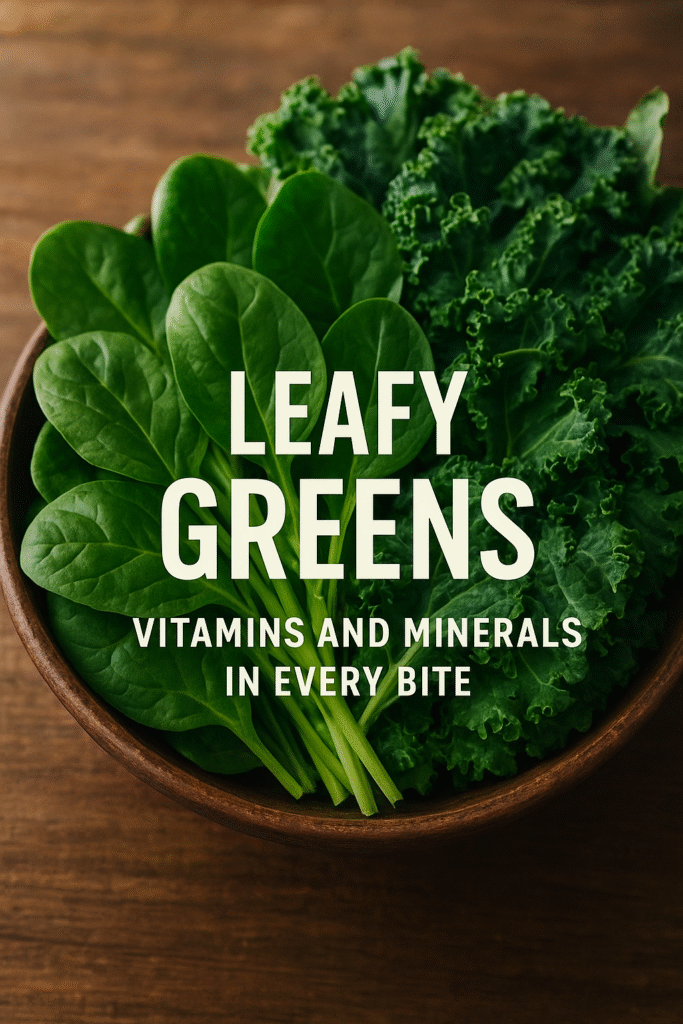
Spinach, kale, and other leafy greens are nutritional powerhouses.
- High in vitamins A, C, K, and minerals like calcium, iron, and magnesium.
- Help maintain strong bones, healthy skin, and proper blood function.
- Contain antioxidants that protect against chronic diseases.
How to use: Incorporate into salads, stir-fries, soups, or smoothies. Even simple sautéed greens retain most nutrients.
Medical insight: Consistent intake of leafy greens supports multiple organ systems and prevents deficiencies.
6. Nuts and Seeds: Small but Mighty
Almonds, walnuts, chia seeds, and flaxseeds are nutrient-dense foods with cardiovascular and cognitive benefits.https://www.youtube.com/watch?v=FGYNB2d5r2Y
- Provide healthy fats, protein, and fiber.
- Contain omega-3 fatty acids, which reduce inflammation and support brain and heart health.
- Help regulate blood sugar levels and support weight management.
How to use: Add to yogurt, oatmeal, or salads. Snack on a small handful daily.
Medical insight: Nuts and seeds are portable, convenient, and serve as daily heart and brain protectors.
7. Yogurt and Fermented Foods: Gut Health Matters
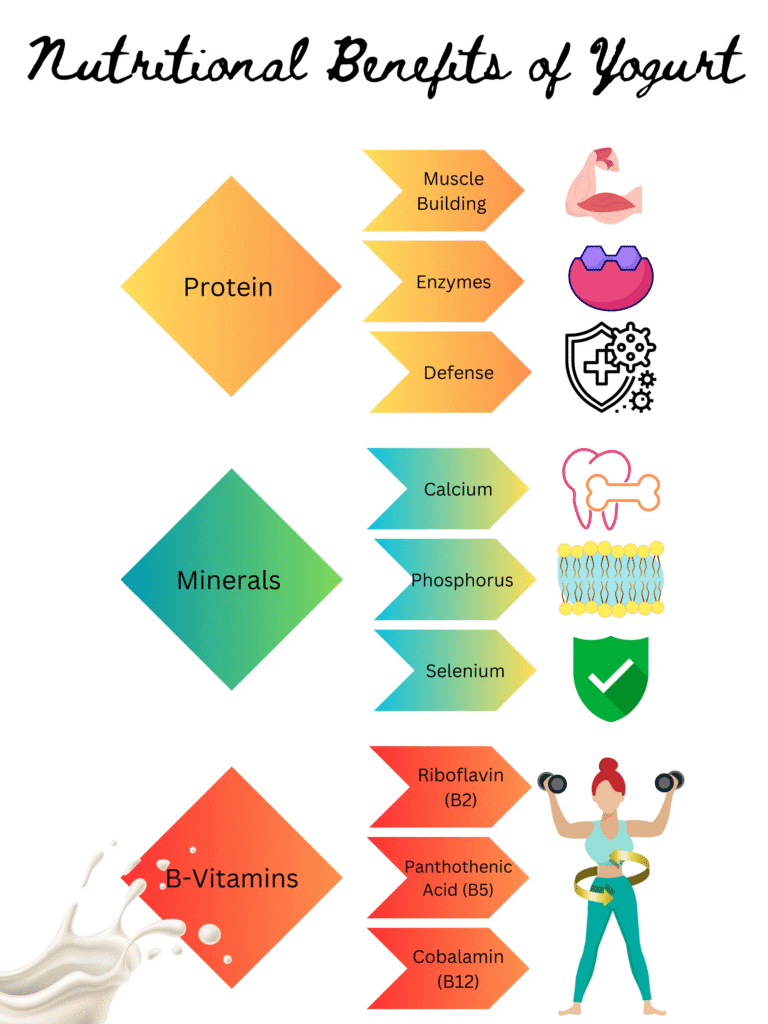
Gut health is increasingly recognized as central to immunity and overall well-being.
- Yogurt, kefir, and fermented vegetables contain probiotics, beneficial bacteria for digestion.
- Support immune function and reduce inflammation.
- May improve nutrient absorption and even mental health through the gut-brain connection.
How to use: Include yogurt in breakfasts or snacks, and add fermented vegetables like sauerkraut or kimchi to meals.
Medical insight: A healthy gut is foundational for systemic health, and probiotics are natural, daily medicine.
8. Citrus Fruits: Immunity Boosters
Oranges, lemons, and grapefruits are rich in vitamin C, a powerful antioxidant.
- Strengthen the immune system and fight infections.
- Support skin health through collagen production.
- Aid in iron absorption and reduce fatigue.
How to use: Drink fresh citrus juice, add slices to water, or enjoy whole fruits as snacks.
Medical insight: Simple citrus fruits provide preventive care against infections and support overall vitality.
9. Green Tea: A Daily Elixir
Green tea contains polyphenols, antioxidants that support heart and brain health.
- Helps lower cholesterol and supports blood sugar control.
- May reduce the risk of certain cancers due to antioxidant activity.
- Enhances mental alertness and supports weight management.
How to use: Brew a cup daily, optionally with lemon or a small amount of honey. Avoid excessive sugar to maintain benefits.
Medical insight: Green tea demonstrates how beverages can serve as preventive medicine.
10. Garlic, Herbs, and Everyday Spices: Culinary Medicine
Beyond individual foods, combining herbs and spices in daily cooking enhances health:
- Cinnamon: Helps regulate blood sugar.
- Oregano & Thyme: Contain antibacterial compounds.
- Cloves: Have anti-inflammatory and analgesic effects.
- Mint: Supports digestion and relieves headaches.
How to use: Include a variety of herbs in everyday cooking to naturally boost flavor and health.
Medical insight: Simple culinary habits can reduce reliance on synthetic medications for minor ailments.
CONCLUSION
The foods we eat every day are more than just calories—they are medicine. From garlic fighting infections to berries protecting the brain, leafy greens strengthening bones, and yogurt supporting gut health, the line between kitchen and clinic is thinner than we think.
By understanding the science behind our meals and intentionally incorporating these foods into daily routines, we not only prevent diseases but also support recovery, boost immunity, and enhance overall well-being.
The takeaway is clear: You don’t always need a prescription to heal. Sometimes, the best medicine is already in your kitchen—waiting to be transformed into meals that nourish, protect, and heal.
So next time you chop garlic, sip green tea, or enjoy a handful of berries, remember: your kitchen is also a clinic, and every meal is an opportunity for wellness.