
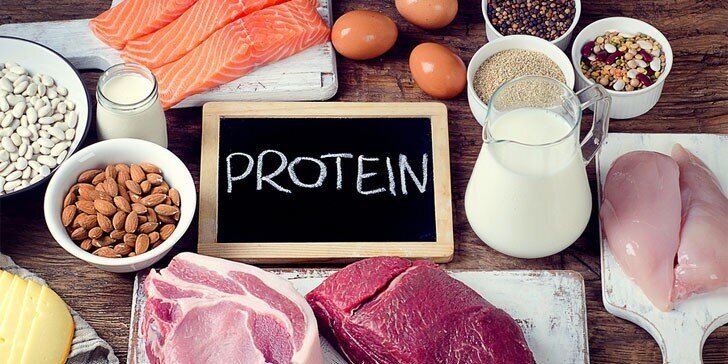
Why Protein is So Important
Keeps You Satisfied: Protein promotes feelings of fullness by reducing the hunger hormone (ghrelin) and increasing satiety hormones.
Supports Muscle and Strength: It aids in repairing and building muscles, especially important after exercise.
Boosts Metabolism: Protein requires more energy to digest compared to fats or carbs, which can increase calorie burn.
Balances Blood Sugar: High-protein meals can help stabilize blood sugar levels, reducing energy crashes and cravings.
High-Protein Meal Ideas
Grilled Chicken with Quinoa and Vegetables
A lean and versatile option, chicken breast provides excellent protein while quinoa adds both protein and fiber. Pair it with colorful vegetables for vitamins, minerals, and antioxidants.Salmon with Brown Rice and Broccoli
Salmon is not only protein-packed but also rich in omega-3 fatty acids, which support heart and brain health. Combine it with brown rice and steamed broccoli for a balanced, filling plate.Egg and Vegetable Omelet
Eggs are a nutrient powerhouse and a great source of high-quality protein. Load your omelet with spinach, bell peppers, and mushrooms for added fiber and flavor.Tips to Boost Protein Intake Daily
Add seeds and nuts to smoothies, salads, and cereals.
Choose whole grains like quinoa, buckwheat, or amaranth which contain more protein than refined grains.
Protein Builds and Repairs Body Tissues
One of the most important functions of protein is its role in the growth, maintenance, and repair of body tissues. Muscles, bones, skin, hair, and even nails are made up of proteins. When you exercise, experience injury, or go through growth phases (like childhood, pregnancy, or adolescence), your body relies on protein to repair damaged tissues and build new ones.
Protein Helps in Weight Management
Protein is more filling compared to carbohydrates and fats. Eating protein-rich foods helps control hunger, reduce cravings, and promote satiety, which makes it easier to maintain a healthy weight. It also has a higher thermic effect, meaning your body burns more calories while digesting protein compared to other macronutrients.
Daily Protein Requirement
The recommended dietary allowance (RDA) for protein varies depending on age, gender, and activity level. On average:
Adults: 0.8 grams per kilogram of body weight per day.
Athletes and active individuals: 1.2–2.0 grams per kilogram of body weight per day.
Sources of Protein
To meet your body’s protein needs, it’s important to include a variety of protein-rich foods in your diet:
Animal sources: Eggs, chicken, fish, lean beef, dairy products.
Plant sources: Beans, lentils, chickpeas, tofu, tempeh, quinoa, nuts, and seeds.
Plant-based eaters can still meet their protein requirements by combining different foods (like rice and beans) to ensure they get all essential amino acids.