
INTRODUCTION
Living with diabetes means making smart choices every day, and one of the most important is diet. The diabetics isn’t about strict limitations—it’s about balance, choosing the right foods, and maintaining healthy blood sugar levels. A well-planned diet not only helps with diabetes management but also supports heart health, kidney function, and overall well-being. Whether you are looking for diets for weight loss, a heart healthy diet, or kidney healthy foods, the right nutritional plan can make a big difference.
Why Diets Matters in Diabetes
For people with diabetes, food directly impacts blood glucose. High-sugar or refined foods can cause spikes, while fiber-rich, nutrient-dense meals help stabilize levels. A rich in healthy diet foods reduces risks of complications such as heart disease, kidney issues, and obesity. Many patients also consult a nutritionist for weight loss or a registered dietitian near me to design a sustainable meal plan.
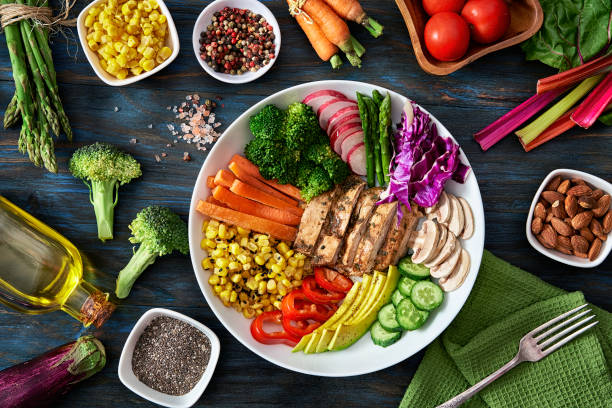
Key Principles of the Best Diet for Diabetics
- Balance Macronutrients – Combine complex carbs, lean proteins, and healthy fats.
- Low Glycemic Index (GI) Foods – These foods digest slowly and prevent sugar spikes.
- Portion Control – Eating the right amount helps with blood sugar and weight.
- Consistency – Regular meal timings support better glucose management.
This approach overlaps with other specialized plans like the heart healthy diet, chronic kidney disease diet food list, and even diets for weight loss.
The Role of Professional Guidance
Finally, remember that every diabetic’s needs are unique. Some may need stricter carb control, while others must follow a chronic kidney disease diet food list or a diet for kidney disease. Working with a registered dietitian near me or a weight loss nutritionist near me ensures your plan is tailored to your body, lifestyle, and health goals.
Foods to Include in a Diabetic Diet
- Whole grains: Brown rice, quinoa, oats.
- Vegetables: Leafy greens, broccoli, cauliflower.
- Proteins: Fish, chicken, legumes, tofu.
- Healthy fats: Olive oil, nuts, seeds.
- Low-sugar fruits: Apples, citrus, and berries (great as healthy fobaods for weight loss).
Those who prefer a plant based food list or a whole food plant based diet can also manage diabetes effectively, as these diets are naturally high in fiber and low in processed sugar. Beginners may explore a plant based diet for beginners to start simple.
Foods to Limit or Avoid
- Refined carbs (white bread, pastries).
- Sugary drinks and sweets.
- Processed, fried foods.
- High-sodium packaged foods.
Even when aiming for the fast weight loss or a best liquid diet for weight loss, diabetics must avoid crash diets and focus on sustainability.
Sample Meal Plan for Diabetics
Here’s a one-day example of best meals for weight loss and blood sugar management:
- Breakfast: Oatmeal with chia seeds and berries.
- Mid-morning snack: A handful of almonds.
- Lunch: Grilled salmon, quinoa, and steamed spinach.
- Snack: Greek yogurt with flaxseeds.
- Dinner: Lentil soup, mixed salad, and whole grain bread.
This type of plan includes good diet foods and can be adjusted for women by creating a diet for weight loss for female or tailoring to a best diet for women over 40 or 50, depending on individual needs.
Special Diets and Considerations
- Heart Disease: A heart disease reversal focuses on fiber, omega-3s, and low cholesterol.
- Kidney Disease: Patients benefit from a diet for kidney disease and kidney healthy foods, such as low-sodium, low-potassium meals.
- Weight Loss: Consulting a weight loss nutritionist near me ensures your plan is balanced for both diabetes and fat reduction.
These variations show how the diabetic diet connects to other conditions and lifestyle goals.
Tips for Maintaining a Healthy Diabetic Diet
- Plan ahead: Meal prepping with healthy foods to eat everyday makes it easier.
- Read labels: Look for hidden sugars and sodium.
- Stay hydrated: Water is always the best choice.
- Seek guidance: A dietitian near me for weight loss or an online expert can help.
- Lifestyle habits: Combine diet with regular exercise, stress management, and proper sleep.
Additional Tips for a Diabetic-Friendly Diet
- Choose High-Fiber Carbs – Opt for oats, barley, and beans instead of refined grains. These improve digestion and help with steady blood sugar. Many of these are also healthy foods for weight loss.
- Eat Smaller, Frequent Meals – Rather than three large meals, aim for 5–6 smaller ones. This avoids spikes and dips in glucose.
- Don’t Skip Breakfast – A healthy breakfast—like eggs with spinach or oatmeal with nuts—keeps energy stable and supports good diets for losing weight.
- Stay Consistent with Plant-Based Choices – A whole food plant based diet is nutrient-dense and naturally supportive of both weight loss and blood sugar management.
- Healthy Snacks Matter – Swap chips and cookies for almonds, carrot sticks, or yogurt. These are good diet foods that provide energy without spiking sugar.
Nutrition and Well-Being
Good nutrition isn’t just about managing diabetes—it’s about living well. Following a balanced diet improves energy, supports weight management, and enhances quality of life. Whether you’re exploring nutrition in health, well being nutrition, or simply searching for best diet foods, the principles remain the same: whole, unprocessed, and balanced meals.
Plant-Based and Whole Food Approaches
More people are shifting to a plant based diet food list or a whole food plant based diet to manage diabetes naturally. This style of eating emphasizes vegetables, fruits, legumes, and whole grains while minimizing processed items. Not only can it improve blood sugar control, but it may also lower cholesterol and promote heart health. For beginners, a plant based diet for beginners can start simple: swapping refined carbs with brown rice or quinoa, replacing red meat with lentils, and adding leafy greens daily.
Conclusion
The diabetics is not a one-size-fits-all approach. It should be customized to individual health needs, whether that means focusing on weight loss, heart health, or kidney function. By including healthy foods for weight loss, adopting a plant based , or consulting a registered dietitian near me, you can build a sustainable plan. Ultimately, the right diet will help you manage blood sugar, protect your organs, and live a healthier, fuller life.