Vaccinations are one of the greatest achievements of modern medicine. They not only protect individuals from life-threatening diseases but also safeguard entire communities. For families, vaccinations are a vital line of defense that ensures children, parents, and even grandparents stay healthy and resilient against preventable illnesses.
Why Vaccinations Are So Important
Vaccines work by training the body’s immune system to recognize and fight harmful viruses and bacteria without causing the actual disease. This protection reduces the risk of infection and prevents the spread of contagious diseases within families and communities.
When most people are vaccinated, it creates what is known as herd immunity. This protects vulnerable groups like infants, elderly family members, and those with weakened immune systems who may not be able to get vaccinated themselves.
Diseases Prevented by Vaccines
Thanks to vaccines, once-common illnesses like polio, measles, mumps, rubella, and diphtheria are now rare or under control in many parts of the world. However, these diseases can return if vaccination rates drop, making it crucial for families to stay up to date with immunizations.
Some essential vaccines for families include:
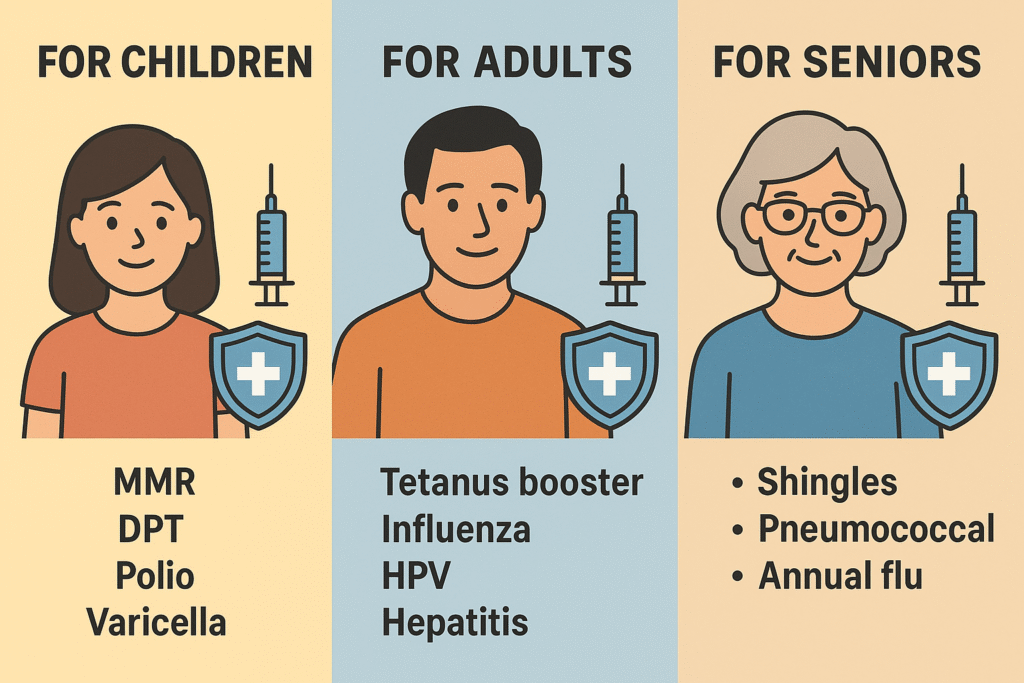
- For children: Polio, MMR (measles, mumps, rubella), DPT (diphtheria, pertussis, tetanus), Hepatitis B, and Varicella (chickenpox).
- For adults: Influenza (flu shot), Tetanus boosters, HPV (to prevent certain cancers), and Hepatitis vaccines.
- For seniors: Pneumococcal vaccine, shingles vaccine, and annual flu shots.
Why Vaccinations Are Essential for Families
Families live in close contact, which means that if one member gets sick, others are at high risk of catching the illness too. Vaccines help break this chain by:
- Preventing the Spread of Contagious Diseases
Vaccinated individuals are far less likely to contract or transmit infections. This creates a protective barrier within families and communities. - Protecting the Most Vulnerable Members
Babies, pregnant women, elderly grandparents, and people with weak immune systems rely on herd immunity. If everyone else is vaccinated, their risk of exposure dramatically decreases. - Reducing Healthcare Costs
Preventing illness through vaccination is far less costly than hospital stays, medications, or treatments for preventable diseases. Families save time, money, and stress. - Supporting Long-Term Health
Many vaccines not only prevent immediate illness but also reduce long-term risks. For example, the HPV vaccine lowers the chances of developing cervical and other cancers later in life.
Benefits Beyond Personal Protection
Getting vaccinated is not just about individual safety—it is also about protecting loved ones and the community. A vaccinated parent or sibling is less likely to bring home dangerous infections to babies or elderly grandparents. This collective protection helps reduce hospitalizations, lower healthcare costs, and save countless lives.
Addressing Myths and Concerns
Despite the overwhelming scientific evidence supporting vaccines, myths and misinformation still circulate. Some parents worry about side effects, but most vaccines only cause mild symptoms like soreness or low-grade fever, which are signs that the immune system is responding. Serious side effects are extremely rare compared to the risks of contracting the actual disease.
THE GLOBAL IMPACT OF VACCINATION
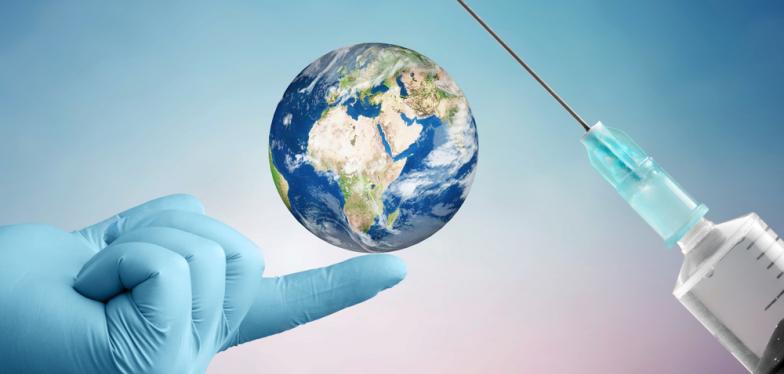
Vaccinations have transformed public health globally. For instance:
- Smallpox, a disease that killed millions, was eradicated in 1980 thanks to widespread vaccination efforts.
- Polio has been nearly eradicated worldwide, with only a few regions still reporting cases.
- In countries with high vaccination coverage, diseases like measles and diphtheria are now rare.
Without vaccination programs, these diseases could resurge, threatening millions of lives.
How to Keep Your Family’s Vaccinations Up to Date
Maintaining a vaccination schedule is crucial. Parents should:
- Consult Healthcare Providers: Regular check-ups help ensure children receive vaccines at the right ages.
- Follow National Immunization Schedules: Governments and health organizations provide guidelines tailored to protect populations from local disease risks.
- Keep Records: Maintain a vaccination record for each family member to track doses and boosters.
- Stay Informed: Recommendations may change over time with new medical advancements.
THE ROLE OF VACCINATIONS DURIND PANDEMICS
The COVID-19 pandemic highlighted the importance of vaccines in controlling global health crises. Vaccines played a critical role in reducing severe illness, hospitalizations, and deaths. This demonstrates that vaccination is not only about individual health but also about safeguarding communities during unprecedented health emerge
VACCINATIONS AND TRAVELS
Families who travel internationally face exposure to diseases not common in their home country. Vaccines for illnesses like yellow fever, typhoid, or Japanese encephalitis may be necessary before travel. Ensuring your family is vaccinated helps prevent importing or spreading diseases.
EMOTIONAL AND SOCIAL BENEFITS OF VACCINATIONS
Beyond physical health, vaccinations bring peace of mind. Parents who vaccinate their children feel reassured knowing they are taking proactive steps to protect them. It also fosters trust and responsibility within communities, strengthening social bonds through collective care.
VACCINATIONS ACROSS DIFFERENT LIFE STAGES
a. Infants and Children
Childhood vaccinations are the cornerstone of family health. Vaccines against diseases like measles, mumps, rubella, hepatitis B, diphtheria, pertussis, and polio are typically administered during the first years of life. This period is critical because children’s immune systems are still developing, making them more vulnerable to infections.
b. Adolescents
As children grow, booster shots and additional vaccines—such as the HPV (human papillomavirus) vaccine and meningococcal vaccine—become important. These protect against infections that can cause serious complications later in life, including certain cancers and meningitis.
c. Adults
Many adults assume that vaccines are only for children, but that’s not the case. Adults need regular booster shots for tetanus, diphtheria, and pertussis (Tdap). Additionally, vaccines for influenza and hepatitis A and B may be recommended, depending on risk factors. Pregnant women are encouraged to receive certain vaccines to protect both themselves and their newborns.
d. Seniors
Older adults are at greater risk for complications from illnesses such as pneumonia, influenza, and shingles. Vaccinations in later life play a critical role in reducing hospitalizations and maintaining quality of life.
CONCLUSION
Vaccinations are not just a medical recommendation; they are a powerful shield for your family’s health and the broader community. They prevent life-threatening illnesses, reduce healthcare burdens, and support healthier, more productive lives. By choosing to vaccinate, you’re safeguarding not only your loved ones but also vulnerable populations who rely on herd immunity.
In today’s interconnected world, where diseases can cross borders quickly, vaccination is more important than ever. Protecting your family through vaccines means contributing to a healthier, safer, and more resilient future for all.